


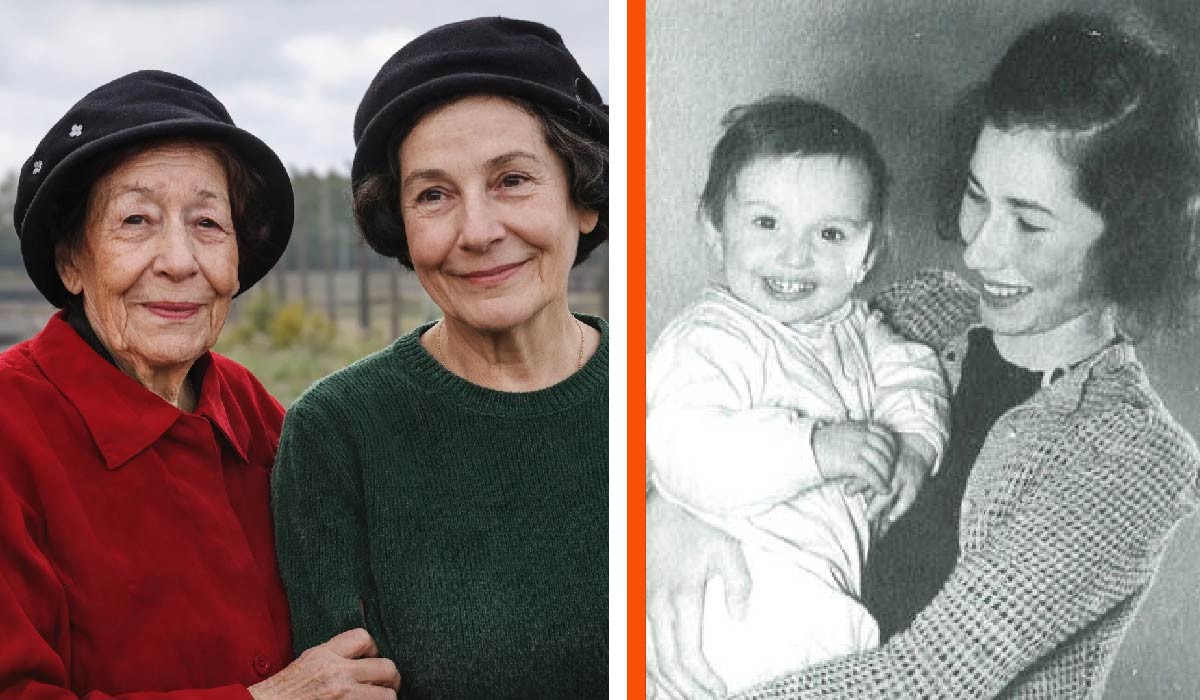
Gabi Goslar was a Holocaust survivor born in Amsterdam in 1940. She is known for surviving Bergen-Belsen concentration camp as a very young child. She was also the younger sister of Hannah Pick-Goslar, who was a close friend of Anne Frank. Because of this connection, Gabi’s story is linked to one of the most well-known stories of World War II. However, her life is important not only because of Anne Frank, but because of her own strength and survival.
As a child, Gabi lost both of her parents during the war. She faced hunger, illness, and fear in the camps. Yet she survived and later rebuilt her life in Israel, where she married and raised a family. In 2010, she shared her experiences in her memoir I Have to Tell Someone.
In this article, we will explore Gabi Goslar’s early life, her time during the Holocaust, the “Lost Train,” her family story, her connection to Anne Frank, and the legacy she left behind.
Who is Gabi Goslar?
Gabi Goslar was a Holocaust survivor born on October 25, 1940, in Amsterdam, Netherlands. She became known for her remarkable story of survival as a very young child during World War II. Gabi was the younger sister of Hannah Elisabeth Pick-Goslar, who was a close friend of Anne Frank. Although Gabi herself was too young to have known Anne, her family story became closely linked with one of the most remembered narratives of the Holocaust.
From a very early age, Gabi faced loss and hardship. She lost both her parents during the war and endured life in concentration camps. Despite these challenges, she survived the horrors of Bergen-Belsen and the infamous “Lost Train” evacuation. After the war, she rebuilt her life in Israel, married, and raised a family. She later shared her experiences in her memoir I Have to Tell Someone, preserving the memory of children who endured the Holocaust.
Gabi’s life stands as a symbol of resilience, hope, and the importance of remembrance. Her story reminds the world of the strength children can show even in the most terrible circumstances. Through her memoir and personal testimony, she educated future generations about the dangers of hatred and the value of compassion.
Early Life and Family Background
Gabi Goslar was born as Rachel Gabriele Ida Goslar in a German-Jewish refugee family. Her parents, Hans Yitzkhak Goslar and Ruth Judith Klee, had fled Germany to escape Nazi persecution. Amsterdam became their new home, where they tried to live peacefully and raise their children safely. Gabi’s older sister, Hannah, was twelve years older and acted as a protective figure even before the war.
Her father, Hans, had been a respected official in Germany before fleeing. He worked hard to provide for the family and protect them during the early years in Amsterdam. Her mother, Ruth, devoted herself to caring for her children. Tragically, Gabi’s mother died in 1942 during childbirth, leaving Hans to care for Gabi and Hannah alone. This loss marked the beginning of a childhood filled with fear and uncertainty.
Gabi’s early years were shaped by love from her family but also by the looming threat of the Nazis. Despite the challenges, her parents tried to provide normal childhood experiences until the war reached their doorstep. This foundation of family care became crucial for Gabi’s survival later on.
Childhood During the Nazi Occupation
When the Nazis invaded the Netherlands, life for Jewish families changed immediately. Anti-Jewish laws restricted freedom, education, and daily life. Gabi was still a small child, but she experienced fear, hunger, and insecurity firsthand. The family had to hide their identity and take extreme precautions to survive.
In 1943, Gabi and her family were arrested and sent to Westerbork, a transit camp in the Netherlands. Conditions there were harsh, especially for a young child. Gabi suffered from illnesses, malnutrition, and cold. Her older sister Hannah provided care and comfort whenever she could. They both had to face extreme fear, uncertainty, and loss every day.
Later, Gabi and her family were deported to Bergen-Belsen, one of the most infamous concentration camps. Life there was even harsher, with disease, hunger, and death around them constantly. Despite being just a small child, Gabi endured these challenges with courage and resilience. The support from her sister and the kindness of camp caretakers played an important role in keeping her alive.
The “Lost Train” and Liberation
In 1945, as Allied forces advanced, prisoners from Bergen-Belsen were evacuated on trains under terrible conditions. One of these transports became known as the “Lost Train.” Gabi and her sister Hannah were aboard, traveling in crowded, freezing train cars with little food or water. Many prisoners did not survive the journey.
Fortunately, Gabi and Hannah were eventually liberated by Soviet soldiers near Tröbitz, Germany. At the time, Gabi was only five years old and extremely weak from malnutrition and illness. This moment marked the end of immediate danger but the beginning of a long recovery from trauma and loss.
After liberation, the sisters were taken to children’s homes in the Netherlands. There, they received medical care, food, and a chance to regain some childhood experiences that had been stolen from them. These months of recovery were crucial for rebuilding their physical health and emotional well-being.
Parents and Sibling
Father: Hans Yitzkhak Goslar
Hans Yitzkhak Goslar was a German-Jewish refugee and former deputy minister for domestic affairs in Berlin. He fled Germany with his family to escape Nazi persecution. Hans worked hard to protect Gabi and Hannah, even acquiring Paraguayan passports in an effort to save them. Sadly, he was deported to Bergen-Belsen and died on February 25, 1945, just weeks before liberation.
Mother: Ruth Judith Klee
Ruth Judith Klee was devoted to her children and family. She fled Germany with her husband and worked to create a safe home in Amsterdam. Tragically, she died in 1942 during childbirth, leaving young Gabi motherless at the age of two. Ruth’s loss was deeply felt and marked Gabi’s early childhood with grief.
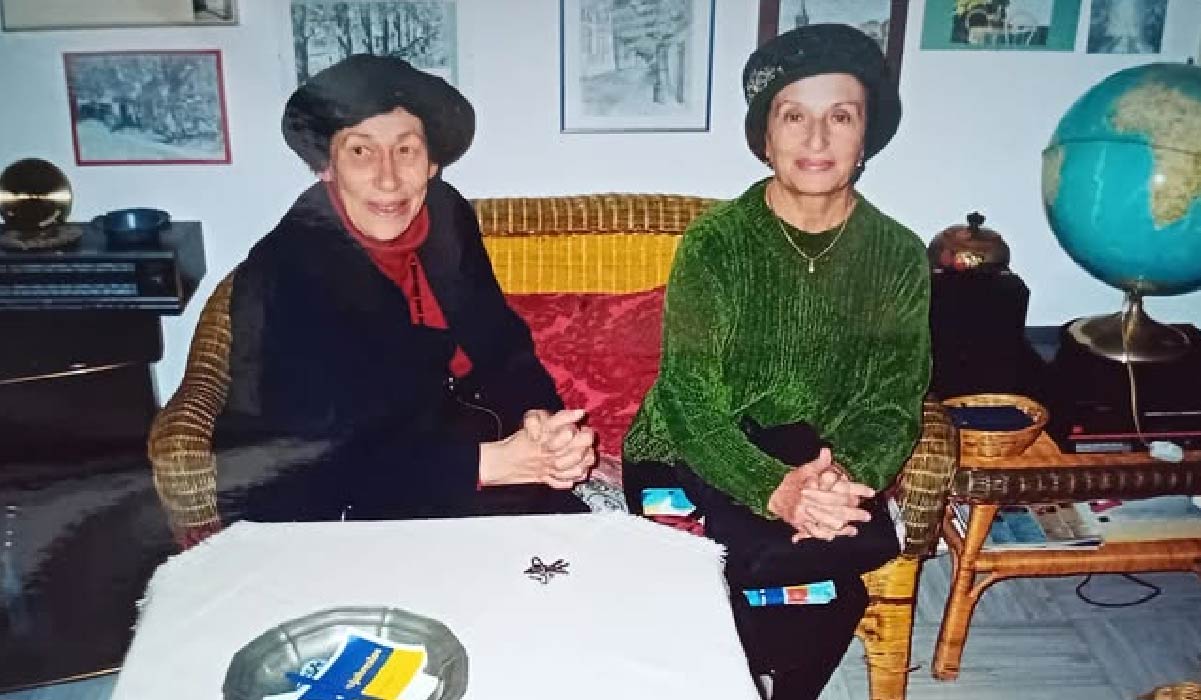
Sister: Hannah Elisabeth Pick-Goslar
Hannah, often called “Hanneli,” was Gabi’s older sister and protector. She was also a close friend of Anne Frank. During the war, Hannah shielded Gabi from harm in the camps, providing comfort, guidance, and protection. After the war, Hannah moved to Israel, married, and became a mother. She shared her memories of the Holocaust and Anne Frank until her death in 2022.
Life After the Holocaust
After the war, Gabi and Hannah were orphans. They were supported by relatives and friends, including Otto Frank, Anne Frank’s father, who offered care and guidance. For some years, they lived with family in Switzerland, gradually recovering from the traumas of war and camp life.
In 1949, Gabi moved to Israel. She began a new life in a safe and supportive environment. There, she attended school, grew up among other survivors, and slowly rebuilt a sense of normalcy. These years were essential for helping her overcome the lasting effects of early childhood trauma.
Gabi’s ability to adapt to a new country and culture showed her resilience. She learned Hebrew, made friends, and started forming her own family, laying the foundation for a peaceful adult life.
Marriage and Family Life in Israel
In Israel, Gabi married a man whose last name was Mozes. Together, they settled in Petach Tikvah and raised a family. She focused on her role as a wife and mother, creating a safe and loving home environment. Her children and grandchildren became part of her legacy, representing life and continuity after years of loss.
Gabi chose to live privately, away from public attention. She prioritized family life over fame or recognition. Her home and family became her sanctuary, and she devoted her energy to nurturing her loved ones and preserving the memory of her own childhood experiences.
Connection to Anne Frank
Although Gabi was too young to know Anne Frank directly, her sister Hannah had been one of Anne’s closest friends. Hannah’s memories of Anne connected Gabi to one of the most famous stories of the Holocaust. In Bergen-Belsen, Hannah and Anne were able to communicate briefly through barbed wire, keeping their friendship alive until Anne’s death.
This connection made Gabi’s story part of a larger historical narrative. Through Hannah’s recollections and Gabi’s own experiences, their family preserved the memory of Anne Frank and highlighted the human stories behind historical events.
Memoir and Public Testimony
In 2010, Gabi published her memoir, I Have to Tell Someone. In it, she shared her experiences as a child during the Holocaust, including her time in Bergen-Belsen and the “Lost Train.” The book is written in simple, clear language to educate readers about the challenges faced by children in the camps.
Gabi’s memoir also honors the memory of children who did not survive. It serves as an important educational tool, teaching future generations about compassion, tolerance, and the dangers of hatred. Through her writing, Gabi contributed to Holocaust education and ensured that her story, and those of others, would not be forgotten.
Later Years and Visits to Germany
In her later years, Gabi lived quietly in Israel with her family. She returned once to Germany for a special memorial event. Stolpersteine, or “stumbling stones,” were placed near her parents’ former home to honor their memory. This visit allowed her to pay tribute to her parents while participating in Holocaust remembrance efforts.
During these years, Gabi remained focused on family, education, and preserving history. She rarely sought public attention but continued to share her experiences through talks, interviews, and her memoir.
Legacy and Influence
Gabi Goslar’s legacy is defined by survival, resilience, and education. She helped keep the memory of the Holocaust alive, especially the experiences of children. Her story inspires courage and demonstrates the human ability to endure even the most difficult circumstances.
Through her memoir and family history, Gabi influenced both survivors and future generations. Her connection to Anne Frank adds historical significance, but her personal experiences highlight the strength of the human spirit. Her life encourages reflection on compassion, tolerance, and remembrance.
Net Worth and Financial Life
Gabi Goslar was not publicly wealthy. She lived a private life focused on family, survival, and education rather than financial gain. There is no public record of her net worth. Her legacy is measured by her contributions to Holocaust education, her memoir, and her family, rather than material wealth.
Death and Remembrance
Gabi Goslar passed away in 2017 at the age of 77. She is remembered as a child survivor who rebuilt her life after unimaginable hardships. Her family, memoir, and public testimony continue to honor her memory. She left a legacy of strength, resilience, and the importance of remembering history.
Conclusion
Gabi Goslar’s story is a testament to the power of survival and the human spirit. From losing her parents and enduring concentration camps to rebuilding a life in Israel, she showed remarkable courage. Through her memoir and dedication to remembrance, she ensured that the lessons of the Holocaust would continue to educate and inspire. Today, her life serves as a powerful example of resilience, hope, and the importance of never forgetting history.
FAQs About Gabi Goslar
Who was Gabi Goslar?
Gabi Goslar was a Holocaust survivor from Amsterdam, born in 1940. She was the younger sister of Hannah Pick-Goslar, who was a close friend of Anne Frank. Gabi survived Bergen-Belsen and the “Lost Train” during World War II and later shared her story in her memoir.
What hardships did Gabi Goslar face as a child?
As a young child, Gabi lost both her parents. She endured life in Westerbork and Bergen-Belsen concentration camps, suffered from hunger and illness, and survived the “Lost Train” evacuation near the end of the war.
How was Gabi Goslar connected to Anne Frank?
Gabi herself was too young to know Anne Frank, but her sister Hannah was one of Anne’s closest childhood friends. Through Hannah’s experiences and memories, Gabi’s story is linked to Anne Frank’s life.
What is the “Lost Train” in Gabi Goslar’s story?
The “Lost Train” was a transport of prisoners evacuated from Bergen-Belsen in 1945. Conditions were harsh, and many prisoners did not survive. Gabi and her sister Hannah were among the few who survived this dangerous journey.
Did Gabi Goslar write a book?
Yes. In 2010, Gabi Goslar published her memoir I Have to Tell Someone. The book shares her experiences as a child survivor of the Holocaust and educates readers about life in concentration camps.
Where did Gabi Goslar live after World War II?
After liberation, Gabi stayed in the Netherlands and Switzerland for some years. In 1949, she moved to Israel, where she grew up, married, and raised a family in Petach Tikvah.
When did Gabi Goslar pass away?
Gabi Goslar passed away in 2017 at the age of 77. She is remembered for her resilience, her memoir, and her contributions to Holocaust education and remembrance.
Read Also: Who Is Leiana Evensen? Life, Career, and Love Story with Lyssa Chapman
